
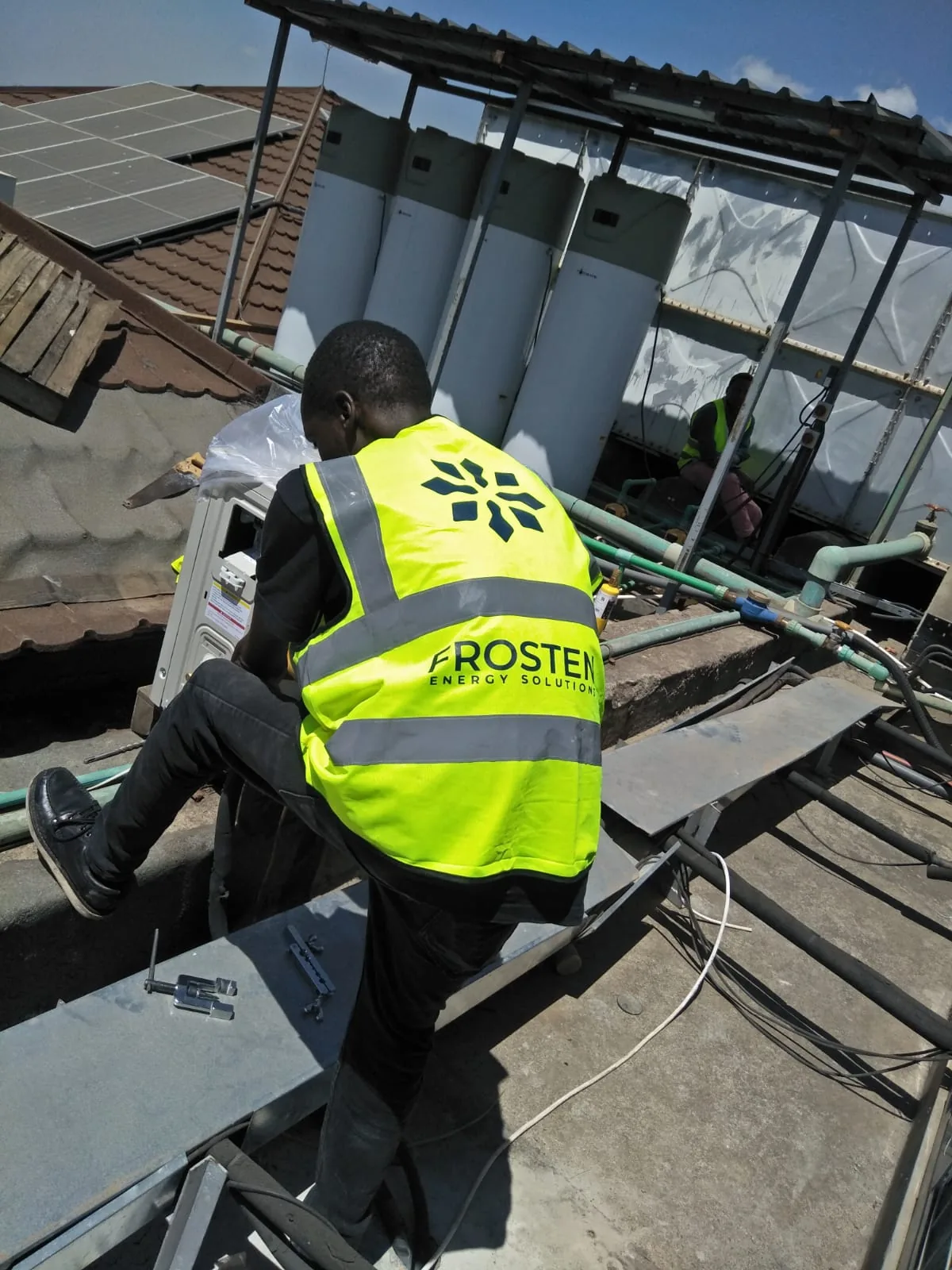
Cooling sized for process loads, not comfort loads.
Process equipment doesn't take weekends off, and a unit specified for office comfort cooling won't hold up under continuous industrial duty. Here's how we design for it.
Process cooling fails differently than comfort cooling
Industrial equipment often runs continuously rather than the 8-to-12-hour cycle a comfort system is built around, and duty this demanding wears equipment faster than standard specification accounts for. Heat loads from process equipment can be far higher and less predictable than a comfort-cooling load calculation assumes, and unplanned downtime on process cooling can halt production rather than just cause discomfort.
How we design an industrial process cooling system
The same engineering-first process we use across every project, applied to continuous-duty industrial loads.
We calculate cooling load from your actual process equipment and duty cycle, not a comfort-cooling rule of thumb, accounting for continuous operation and equipment-specific heat rejection.
We specify equipment rated for continuous industrial duty rather than intermittent comfort-cooling cycles, sized with margin for the wear that constant running adds.
Where a stoppage halts production, we design in standby capacity so a single unit failure doesn't take the process offline. See our chillers and VRF systems ranges.
Work is planned around your production schedule to minimise disruption, with phased changeover where a full shutdown isn't an option.
Built to stay reliable, not just to pass commissioning
High-traffic, continuously-running equipment like this sits on our Comprehensive tier — monthly visits, priority call-out status and guaranteed next-day response. See our maintenance plans.
If a process cooling unit does fail outside a scheduled visit, our rapid response team is dispatched immediately, day or night.
No subcontractors. The technicians who commissioned your system are the same ones who service it.







Start with a site survey.
Our engineers will assess your premises, load requirements, and constraints to recommend the exact system needed.
Request a Quote