VRF / VRV Systems
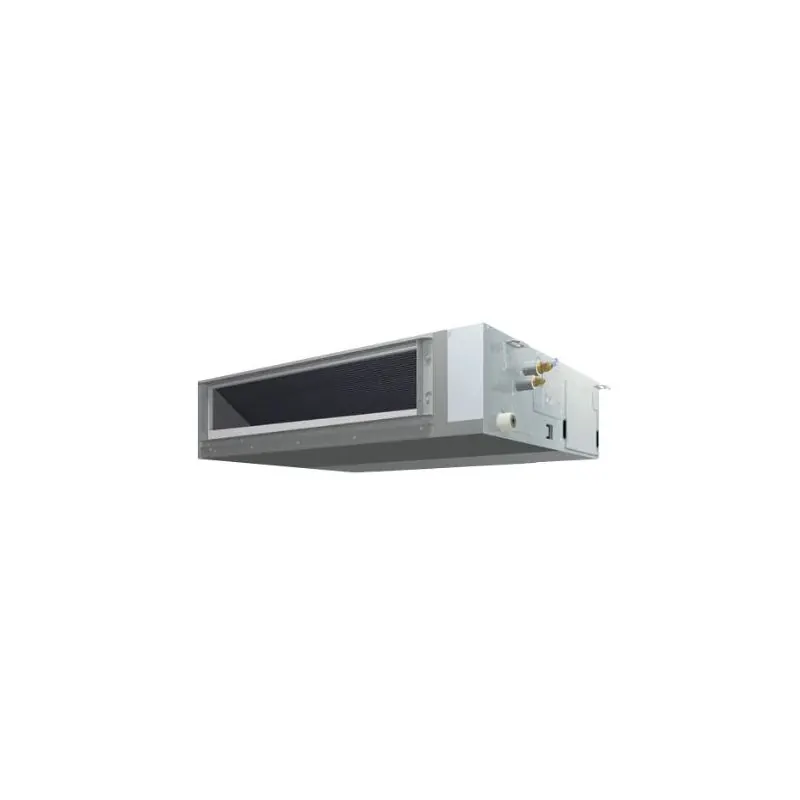
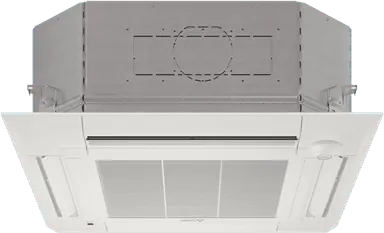
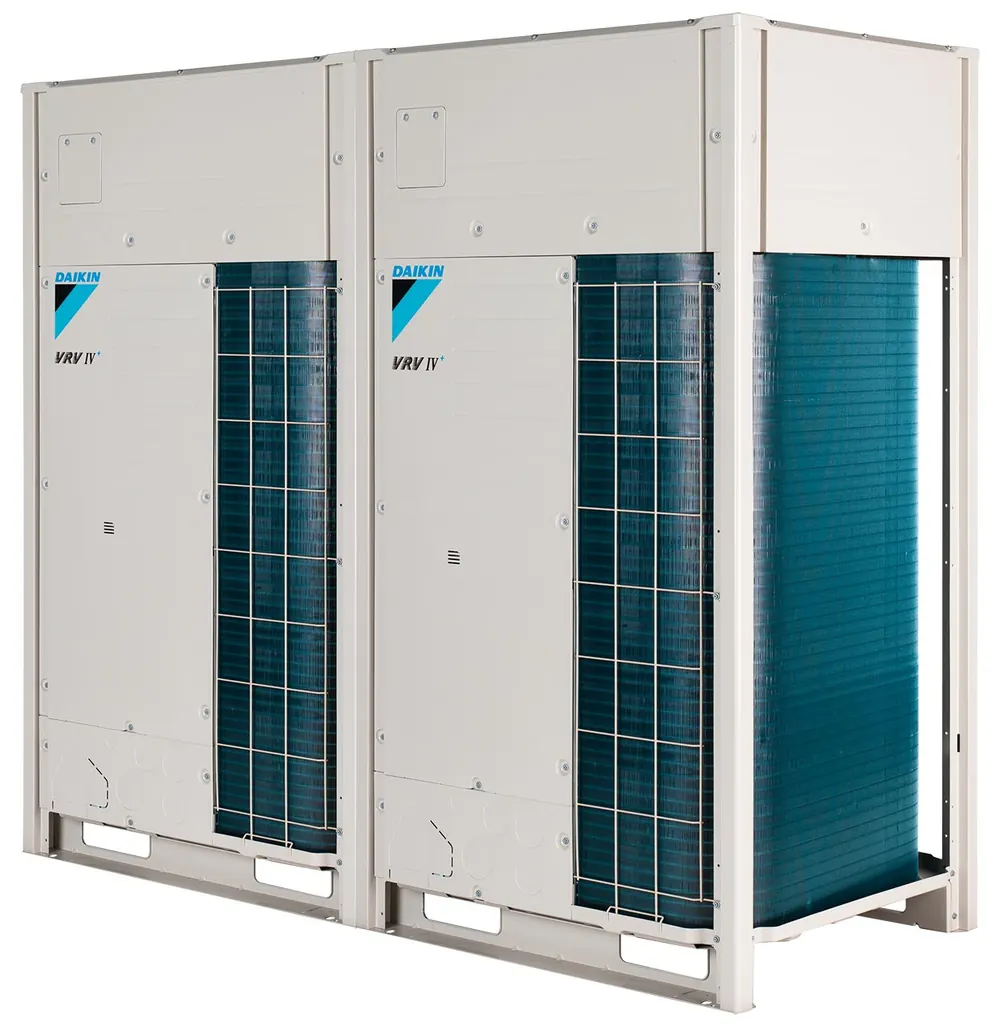
Variable Refrigerant Flow (VRF/VRV) systems connect multiple indoor units (wall splits, cassettes, ducted or ceiling-suspended) to one or a small number of outdoor condensing units, each modulating refrigerant flow independently to match the exact load of its zone. This makes VRF the standard choice for buildings that need many independently-controlled zones without a separate outdoor unit for every room, such as hotels, multi-tenant offices and mixed-use developments.
Key Features
Simultaneous Heating & Cooling
Heat-recovery systems can cool some zones while heating others from the same outdoor unit.
Up to 40+ Indoor Units per System
One or two outdoor condensing units can serve an entire floor or building.
Variable Refrigerant Volume
Compressors modulate precisely to real-time zone demand rather than running fixed-speed.
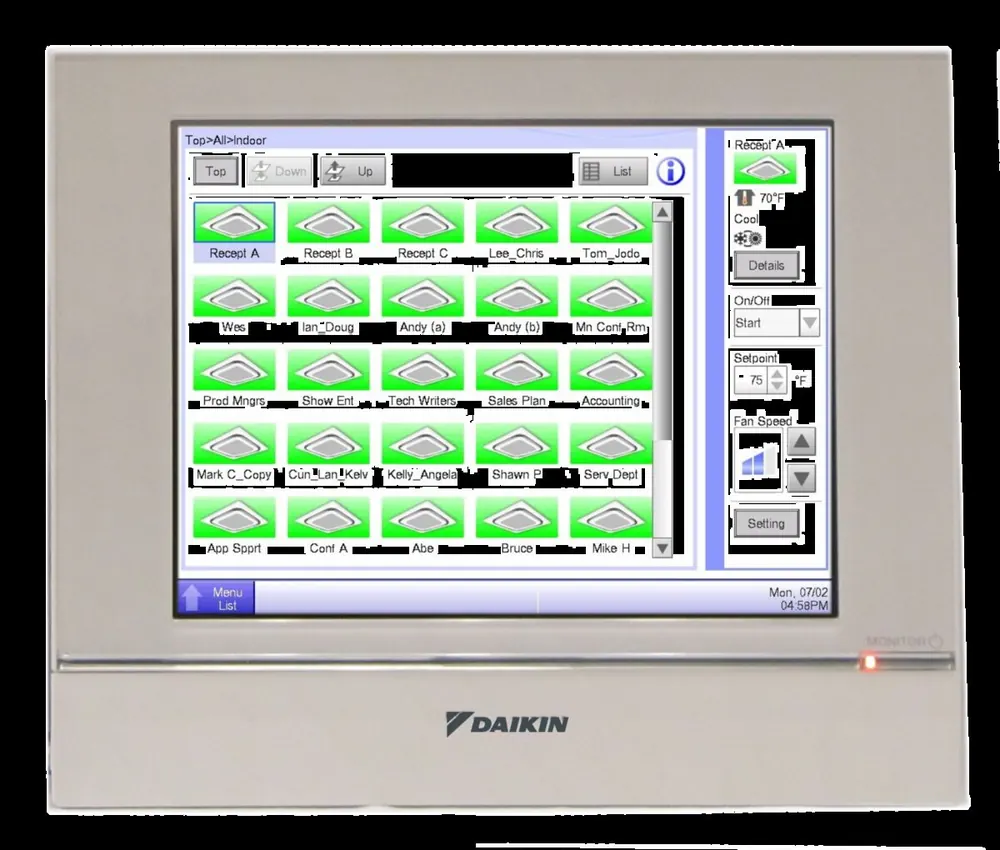
Centralised BMS Integration
BACnet/Modbus-compatible central controllers for building management integration.
Long Pipe Runs
Refrigerant piping runs up to 150–1000m depending on system, suited to tall or spread-out buildings.
Low Ambient Operation
Reliable heating performance in low outdoor temperatures on heat pump models.
Benefits
Typical Applications
Available Capacities
Optional Accessories
Brands We Supply




Installation Options
Preventive Maintenance
Warranty
Manufacturer warranty of 1–5 years on parts and compressor, subject to authorised commissioning; Frosten workmanship warranty covers piping, installation and commissioning.
Industries Served
Typical Installation Cost
Project-specific quotation
VRF/VRV projects range from small multi-split installs to large multi-building systems, so pricing is always project-specific. Cost is mainly driven by:
- Outdoor unit capacity and count
- Number and type of indoor units
- Refrigerant piping and branch/refnet layout
- Controls and zoning architecture
- Electrical and structural requirements
- Building type and number of floors
- Site access
- Commissioning and handover
Commercial VRF installations generally require a site survey and engineering assessment before we can confirm pricing. Request a free quotation and Frosten will assess your building and provide a project-specific price. See our full AC installation cost guide for a breakdown by system type.
Why Choose Frosten
Professional Installation
100% in-house delivery, no subcontractors, from design through commissioning.
Preventive Maintenance
Documented maintenance plans sized to your equipment and site.
Genuine Spare Parts
Parts sourced through authorised brand channels, not grey-market substitutes.
Qualified Technicians
Trained, accountable in-house engineers, the same team from survey to aftercare.
Fast Response
24/7 breakdown response across our service footprint.
Warranty Support
Manufacturer warranty backed by Frosten's own workmanship guarantee.
Frequently Asked Questions
What's the difference between VRF and VRV?
VRV (Variable Refrigerant Volume) is Daikin's trademarked name for the same underlying technology that other manufacturers call VRF (Variable Refrigerant Flow). They are functionally the same system category.
How many rooms can one VRF system serve?
Depending on the outdoor unit and manufacturer, a single system can serve anywhere from a handful of rooms up to 40–60+ indoor units, with larger buildings using multiple systems.
Does VRF need a machine room?
No, outdoor condensing units are typically sited on the roof or at ground level in a ventilated plant area; no dedicated machine room is required, unlike water-cooled chiller plant.
Can heating and cooling run at the same time in different rooms?
Yes, on heat-recovery VRF systems with branch selector boxes, some zones can cool while others heat simultaneously from the same outdoor unit.