
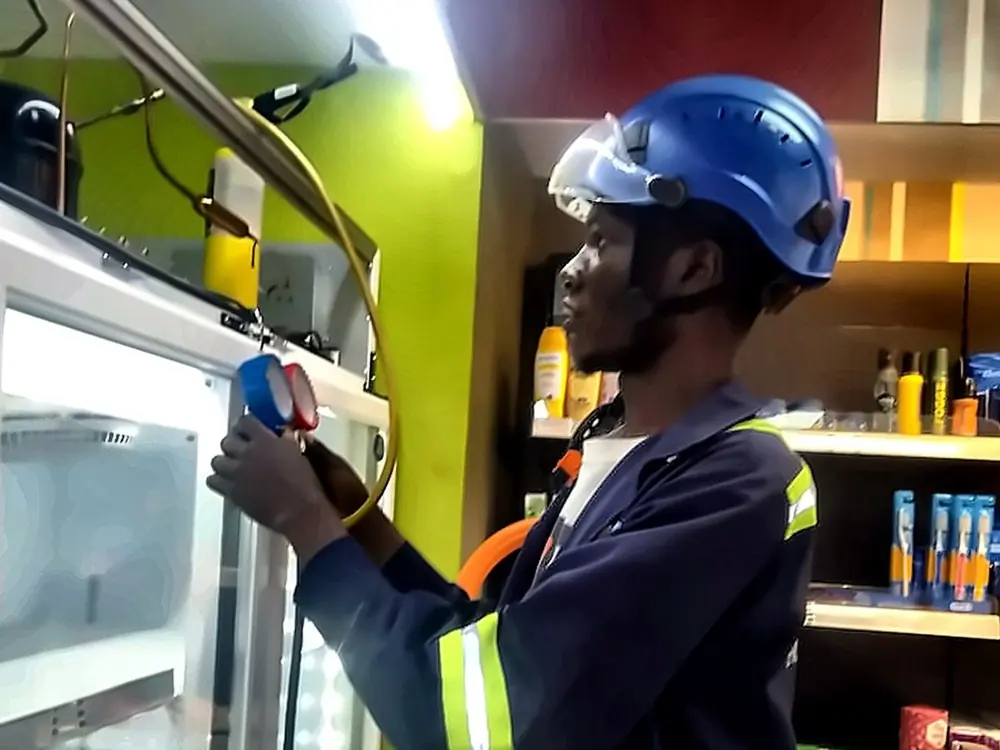
Commercial Refrigeration
Custom-built cold rooms, freezer rooms, and industrial refrigeration plants designed to protect temperature-critical inventory.
Cold chain infrastructure
Modular polyurethane-panel cold rooms operating between +2°C and +8°C for fresh produce, dairy, and pharmaceuticals.
Heavy-duty insulated rooms operating down to -25°C for frozen foods, meat, and long-term storage, featuring heated floors and door frames.
High-velocity refrigeration systems designed to rapidly drop product temperature to safely pass through the bacterial danger zone.
Supermarket multidecks, glass-door chillers, and under-counter units for retail environments.
Scroll, semi-hermetic, and screw compressor packs engineered for the required refrigeration duty.
Built for heavy duty
Refrigeration failure costs money fast. We build robust systems that won't let you down.
High-density PIR/PUR panels with cam-lock interlocking systems ensure an airtight seal, reducing compressor run-time.
Condensers, evaporators, and expansion valves are perfectly matched by our engineers to ensure optimal superheat and efficiency.
For high-value inventory like pharmaceuticals, we design 100% standby dual-circuit systems with auto-changeover controllers.
Optional IoT temperature logging and alarm systems that send SMS alerts if temperatures drift outside set parameters.
Cold room & freezer room considerations
Before we quote, we work through the factors that actually determine what a cold room or freezer room needs.
Room capacity is set by product volume, turnover rate and door traffic, not floor area alone — a high-turnover room needs more refrigeration duty than a static one of the same size.
Cold rooms (+2°C to +8°C) and freezer rooms (down to -25°C) call for different panel thickness, and freezer rooms need heated floors or door frames to prevent frost heave and ice build-up.
Pharmaceuticals and other regulated stock often require documented temperature logs and standby redundancy — we design dual-circuit auto-changeover systems where that's a requirement.
Once a cold room or freezer room is running, our maintenance plans keep refrigerant charge, seals and controllers in check. For a full breakdown of what drives the price, see our guide to cold room installation cost in Kenya. Buying standalone refrigeration equipment instead? See our commercial refrigerator buying guide, or our planning considerations for pharmaceutical and cold-chain storage. Cold storage requirements differ significantly by sector — see our Industries We Serve overview for food, pharmaceutical and hospitality applications.
Featured refrigeration products
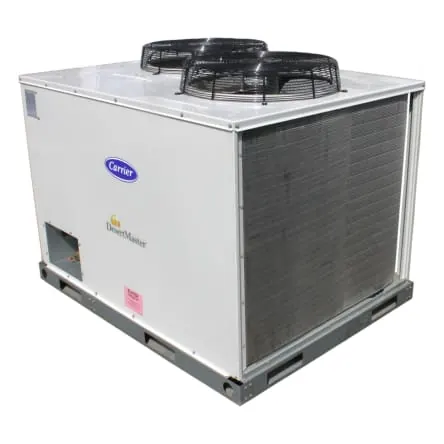
Industrial-grade chillers and condensing units for serious cooling loads.
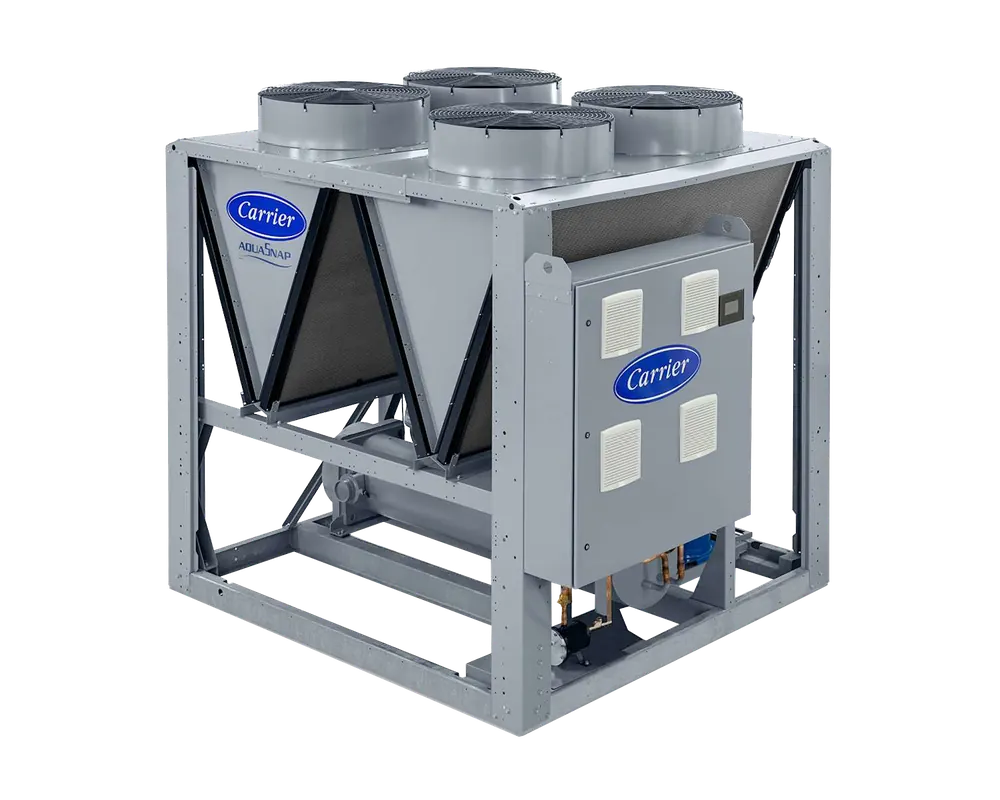
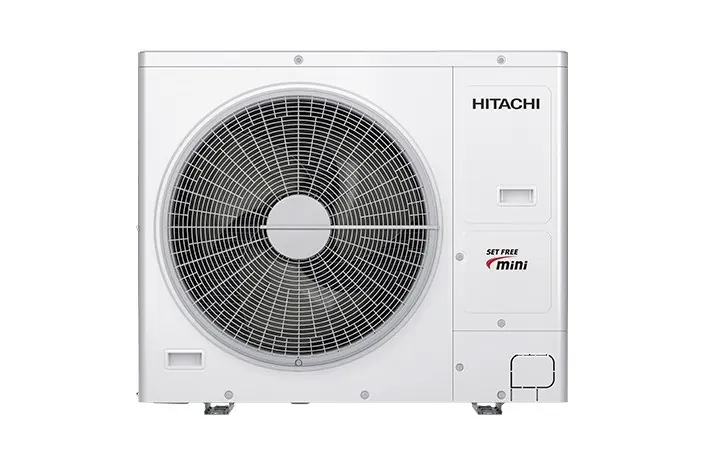

Explore our range: cold room installation, commercial refrigerators, commercial freezers, display chillers and ice machines.







Frequently Asked Questions
Frosten Energy Solutions provides refrigeration solutions covering refrigeration-related installation, servicing and maintenance requirements. The appropriate approach depends on the application, equipment, temperature requirements and operating environment.
A cold room may fail to maintain its required temperature for several reasons, including airflow restrictions, refrigeration-system faults, problems with controls, inadequate insulation or issues with doors and seals. A proper technical assessment is required to determine the actual cause.
Maintenance frequency depends on the equipment, application, operating conditions and manufacturer's recommendations. Regular maintenance helps identify developing problems, maintain system performance and reduce the likelihood of unexpected interruptions.
Important considerations include the intended application, required temperature range, room or storage capacity, operating conditions, product requirements, equipment selection, energy use and maintenance access. These factors should be considered before selecting refrigeration equipment.
Yes. A refrigeration fault should be assessed to determine its underlying cause before equipment is replaced unnecessarily. Problems involving temperature control, airflow, refrigeration components, electrical systems or other parts of the installation can require different solutions.
Start with a site survey.
Our engineers will assess your premises, load requirements, and constraints to recommend the exact system needed.
Request a Quote