
Cold Chain Refrigeration for Pharmaceutical and Temperature-Sensitive Storage in Kenya
Updated August 2026 · Frosten Energy Solutions Engineering Team
Pharmaceutical and other temperature-sensitive stock places different demands on refrigeration than general food storage — reliability, monitoring and continuity of temperature matter as much as raw cooling capacity. This guide sets out planning considerations for cold-chain refrigeration in these applications. It is not a substitute for guidance from your relevant regulatory or compliance authority, whose specific requirements should always be confirmed directly.
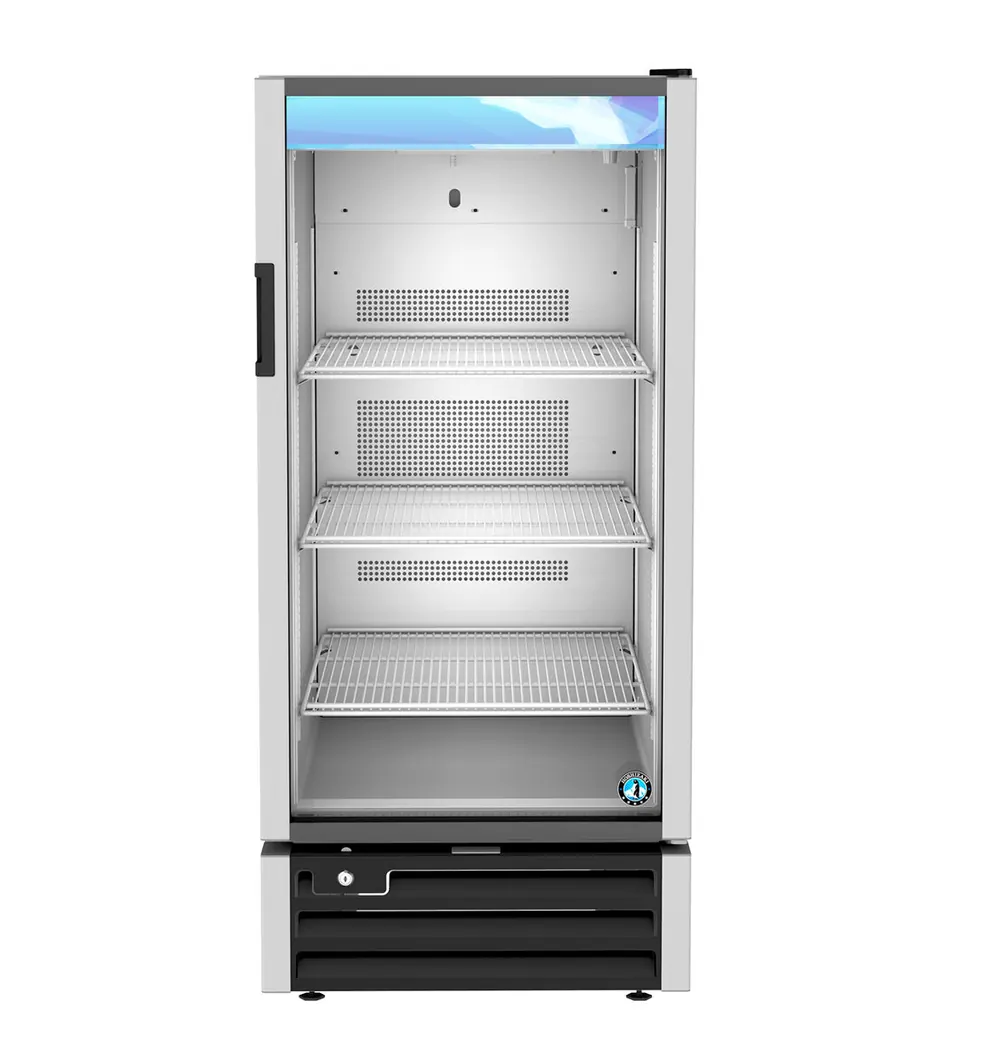
Temperature-Sensitive Storage
Pharmaceuticals, vaccines and other sensitive stock often need to be held within a narrow temperature band consistently over time, rather than simply kept generally cold. Planning should start from the specific storage requirement for your product, confirmed with the supplier or relevant authority, rather than assumed from general refrigeration practice.
Refrigeration Reliability
Because a temperature excursion can compromise stock, reliability is a central design consideration for cold-chain refrigeration — not an afterthought. This includes equipment selection, installation quality and ongoing maintenance, all working together to minimise the risk of unplanned downtime. Serviceability is part of that picture too: equipment that's straightforward to inspect, with accessible components and a technician familiar with the system, tends to get faults caught and resolved faster than equipment that's difficult to reach or unfamiliar to whoever attends a call-out.
Monitoring & Alarms
Continuous temperature monitoring with high/low alarms allows staff to respond quickly if conditions drift outside the acceptable range, rather than discovering a problem after the fact. Monitoring systems and alarm thresholds should be planned around the specific storage requirement for the stock being held, rather than a generic default. Equally important is what happens when an alarm actually triggers — who is notified, how quickly, and what the response procedure is outside normal working hours. A monitoring system only adds value if there's a clear, practiced response behind it, and keeping a record of alarm events alongside routine temperature logs helps show how the system actually performed over time.
Temperature Stability
Stability over time matters as much as hitting a set-point briefly. Door traffic, product loading patterns and insulation quality all affect how well a cold room or refrigerator holds a stable temperature between compressor cycles.
Backup Considerations
Where continuity of storage is critical, standby or redundant refrigeration capacity is a planning consideration worth discussing at design stage — so that a single equipment fault doesn't put stock at risk. The appropriate level of redundancy depends on the value and sensitivity of what's being stored, and isn't the same for every application; it's a decision made with your own risk tolerance and the relevant compliance requirements in mind, not a default that applies uniformly.
Backup power is a related but separate consideration — a generator or UPS arrangement protects against a mains outage, which is a different failure mode from a refrigeration-plant fault, and both are worth thinking through as part of an overall contingency plan. Equally, a service relationship that can respond quickly to a fault is itself a form of continuity planning: knowing in advance who to call and how fast a technician can attend is as relevant as the equipment on site. We don't state that any particular backup arrangement is a legal requirement for any specific application — that's a question for the relevant regulatory or compliance authority governing your stock.
Maintenance
Cold-chain refrigeration benefits from a more rigorous maintenance schedule than general commercial refrigeration, given the consequences of an undetected fault. See our maintenance guide for what routine servicing generally covers, and discuss a schedule appropriate to your storage requirements with your technician.
Documentation
Many temperature-sensitive storage applications call for documented temperature logs as part of demonstrating that stock has been held correctly. Beyond temperature logs, it's generally useful to keep equipment records (make, model, installation date), a maintenance history, a log of any alarm or excursion events and how they were resolved, and service documentation from each technician visit. Together these records give a defensible account of how a room has actually performed, not just how it was designed to perform. Whether specific documentation is required for your application, and in what format, should be confirmed with the relevant regulatory or compliance authority for your industry — this guide describes good general practice rather than a compliance checklist.
Cold-Room Planning
Cold-room design for pharmaceutical or temperature-sensitive use follows the same fundamentals as any cold-room project — size, insulation, refrigeration system and controls — but with reliability and monitoring given greater weight in the design. Room size and configuration should reflect actual storage requirements and expected stock volume, not be oversized or undersized as a default. Loading patterns matter too: where product sits relative to the airflow path, and how often the door is opened, both affect temperature stability across the room. Door access and layout are planned around staff workflow to minimise time spent with the door open, insulation is specified to the temperature band required, and equipment is selected with service access in mind so routine maintenance and monitoring checks are straightforward rather than awkward. See our cold room installation cost guide for the general cost drivers.
Operational Continuity
Beyond the refrigeration equipment itself, operational continuity depends on clear procedures for what staff do if an alarm triggers, backup power arrangements where relevant, and a maintenance relationship that can respond quickly if an issue arises.
Explore Frosten's refrigeration & HVAC services
Cold rooms, walk-in coolers and refrigeration equipment for Kenyan businesses. Visit Commercial Refrigeration →
Scheduled servicing plans to protect temperature-sensitive refrigeration equipment. Visit Maintenance →
VRF/VRV, ducted and split systems for residential, commercial and industrial buildings. Visit HVAC Design & Installation →
More from Frosten's Guides
Cold Room Installation Cost in Kenya
What drives cold room installation cost in Kenya, and how to compare quotations.
Commercial Refrigerator Buying Guide for Kenyan Businesses
How to evaluate commercial refrigeration equipment before you buy.
Frequently Asked Questions
What should businesses consider when planning pharmaceutical cold-chain refrigeration?
Start with the specific storage requirement for your product, confirmed with the supplier or relevant authority, then plan around temperature stability, continuous monitoring with alarms, a backup or continuity strategy appropriate to the stock's value and sensitivity, a maintenance schedule suited to the equipment's criticality, and documentation covering equipment, maintenance and temperature records. Equipment should be selected for reliability and service access, not cooling capacity alone. For anything specific to your regulatory or compliance obligations, consult the relevant authority or a qualified compliance professional.
What temperature should pharmaceutical cold storage be held at?
This depends entirely on the specific product and should be confirmed with the product supplier or relevant regulatory authority — there's no single temperature that applies to all temperature-sensitive stock.
Is backup refrigeration capacity necessary for all cold-chain storage?
It depends on how critical continuity of storage is for the stock involved. It's a planning consideration worth discussing at design stage rather than a universal requirement.
Planning temperature-sensitive cold storage?
Frosten Energy Solutions can discuss your reliability, monitoring and storage requirements and design a system around them.
Get a Quote