
VRF vs Ducted vs Split Air Conditioning: Which System Is Right for a Commercial Building?
Updated August 2026 · Frosten Energy Solutions Engineering Team
Building owners, developers, facility managers, architects and contractors comparing commercial air conditioning options are usually choosing between three broad approaches — VRF/VRV, ducted systems and split systems. None of the three is universally best; the right choice depends on building size, zoning needs, budget and how the space is used. This guide compares them so you can weigh the trade-offs for your specific project.
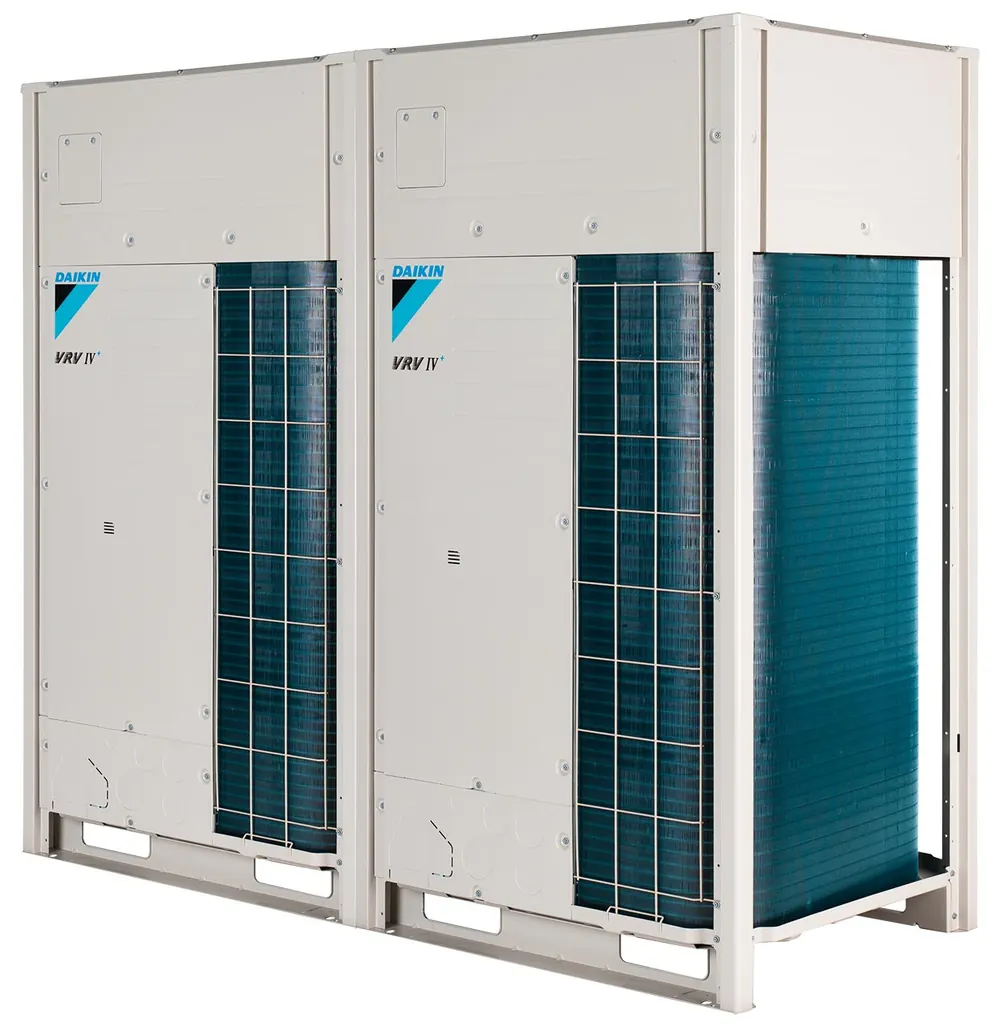
What Is a VRF/VRV System?
Variable Refrigerant Flow (VRF), also called VRV, links a single outdoor condensing unit to multiple indoor units across a building, each zoned independently. It's commonly specified for offices, hotels and mixed-use buildings where different zones need independent temperature control from a centralised plant.
What Is a Ducted System?
Ducted systems distribute conditioned air through concealed ductwork to multiple rooms from one or a small number of indoor air handling units, with air delivered through ceiling diffusers. They're often chosen where a clean, concealed aesthetic matters and zoning requirements are moderate rather than highly granular.
What Is a Split System?
Split systems pair one outdoor condensing unit with one indoor unit — wall-mounted, cassette, ceiling-suspended or floor-standing. They're the simplest and typically most cost-effective option for cooling individual rooms or small standalone spaces.
Building Size & Zoning
Small single-tenant spaces are usually well served by one or a handful of split systems. As a building grows in size or number of independently controlled zones, VRF/VRV or ducted systems tend to become more practical — running many separate split systems across a large multi-zone building adds outdoor-unit clutter and makes centralised control harder.
Installation & Project Complexity
Split systems are generally the fastest and least disruptive to install. Ducted systems require ceiling void space and duct routing, adding to installation time and coordination with other trades. VRF/VRV systems involve refrigerant piping design across the building, branch joints and controls integration, making them the most design-intensive of the three but also the most centrally manageable once commissioned.
Flexibility & Aesthetics
Ducted systems generally offer the cleanest visual result, since only discreet ceiling diffusers are visible. VRF/VRV indoor units come in several formats (cassette, ducted, wall-mounted) giving architects flexibility to match the system to each space. Split systems are the most visible option but the simplest to retrofit into an existing space without major building work.
Energy Considerations
VRF/VRV systems are often more efficient across a whole building because they can modulate capacity to match zone-by-zone demand, and some systems can move heat between zones rather than rejecting it outright. Ducted and split systems can also be highly efficient on a per-unit basis with inverter compressors — the right comparison depends on how many zones need independent control and how loads vary across the building.
Maintenance
Split systems are the simplest to maintain individually, since each unit is self-contained. Ducted systems add duct and diffuser cleaning to the routine. VRF/VRV systems, with their shared refrigerant piping and multiple indoor units, benefit from a maintenance plan that checks the whole system together rather than unit by unit. See Frosten's commercial AC maintenance guide for what routine servicing covers.
Lifecycle Considerations
VRF/VRV systems typically carry a higher upfront design and installation cost but can offer strong lifecycle value in larger, multi-zone buildings through efficiency and centralised control. Split and ducted systems often have a lower upfront cost and can be simpler to service or replace unit by unit over the building's life. The right lifecycle calculation depends on building size, expected occupancy changes and how the building will be used over time.
Where Each System Commonly Fits
These are typical starting points, not fixed rules — actual suitability depends on your specific building.
Individual rooms, small standalone spaces and simple retrofits with limited zoning needs.
Open-plan offices, retail and restaurants where a concealed, even distribution matters.
Multi-storey offices, hotels and mixed-use buildings needing many independently zoned areas from centralised plant.
Explore Frosten's refrigeration & HVAC services
VRF/VRV, ducted and split systems for residential, commercial and industrial buildings. Visit HVAC Design & Installation →
Scheduled servicing plans to keep commercial AC systems running at design performance. Visit Maintenance →
Cold rooms, walk-in coolers and refrigeration equipment for Kenyan businesses. Visit Commercial Refrigeration →
More from Frosten's Guides
Commercial AC Installation Process in Kenya
What to expect during a professional commercial AC installation, from site assessment to handover.
Commercial AC Maintenance in Kenya
What building owners should know about keeping commercial AC systems running reliably.
Frequently Asked Questions
Is VRF always better than a ducted or split system?
No. VRF/VRV suits large, multi-zone buildings well, but ducted and split systems can be more cost-effective and simpler for smaller spaces or single-zone applications. The right system depends on your building.
Can VRF and ducted systems be combined in one building?
Yes. It's common for a building to use VRF/VRV for open-plan zones needing independent control and ducted systems for other areas, depending on layout and requirements.
What's the main installation difference between the three?
Split systems are generally fastest to install, ducted systems need ceiling void space and duct routing, and VRF/VRV systems require refrigerant piping design across the building and controls integration.
Not sure which system suits your building?
Frosten Energy Solutions can assess your building and recommend the system approach that fits your zoning and budget requirements.
Get a Quote